Aciron Consulting KPI Blog
The Evolution and Importance of KPI Tracking 2025
Last Updated: July 7, 2025
Key Takeaways: This blog explores how KPI tracking has evolved from manual paper‑based methods to modern cloud‑based and AI‑driven systems and explains why monitoring financial, customer, sales/marketing, and operational KPIs is essential for making faster, data‑driven decisions that improve business performance.
Imagine tracking your business’s performance goals using just paper, pen, and a calculator. That’s how companies used to measure KPIs (Key Performance Indicators)—a slow and time-consuming process full of human error. As technology advanced, so did the methods for tracking KPIs. Today, businesses need to monitor key KPIs—like financial, marketing, operational, and customer metrics—more than ever, because they operate in fast-paced, data-driven environments. Learn how technology transformed KPI tracking and discover which KPIs your business should follow now.
The Evolution
Before digital tools, businesses recorded, tracked, and analyzed data using ledger books, printed reports, and other manual methods. Teams passed tasks and updates around on paper, which caused delays, miscommunication, and mistakes. Without centralized systems, teams struggled to see each other’s work, making collaboration inefficient and decision-making slow. Then, tools like Excel, Tableau, and Microsoft Access helped businesses calculate and visualize data using formulas, charts, and databases. These tools boosted efficiency, but they had limits. Teams still had to update data manually, and they lacked real-time insights and cross-department visibility. Even though businesses made progress beyond the paper era, they still needed more dynamic, integrated solutions to support growth and adapt to change.
The Now
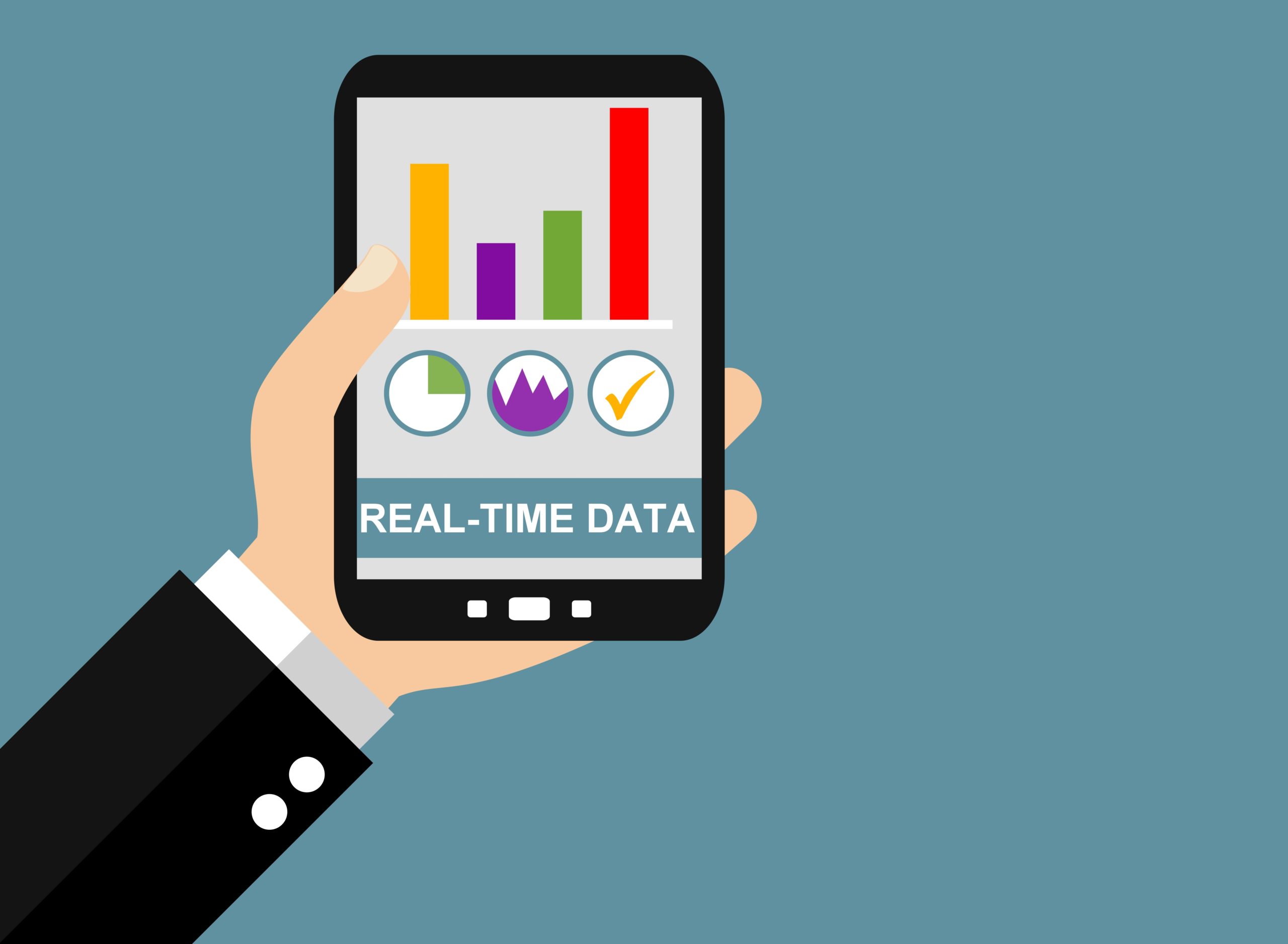
Today, businesses no longer rely on spreadsheets and static reports. Cloud-based platforms have transformed performance tracking into an integrated, automated, and department-wide process. Tools like Tableau, Power BI, and advanced CRM or ERP systems pull data from across sales, marketing, operations, and finance—and display it all in one dashboard. These systems give leaders real-time performance views, helping them make faster decisions and foster smooth collaboration between remote and in-office teams.
Now, artificial intelligence (AI) takes KPI tracking to the next level. AI helps businesses forecast future sales and expenses, flag unusual patterns, and automatically generate reports and executive summaries—saving hours of manual work. As AI continues to evolve, businesses will track KPIs even more proactively, gaining powerful insights to stay ahead and continuously improve performance.

KPIs Every Business Should Track
Regardless of how your business tracks KPIs—through spreadsheets, cloud-based dashboards, or integrated software—it should monitor four key areas:
• Financial KPIs reveal profitability, cash flow, and cost management.
• Customer KPIs show satisfaction, retention, and overall experience.
• Sales & Marketing KPIs measure how well your outreach and revenue efforts perform.
• Operational KPIs track the efficiency and effectiveness of your internal processes.
Tracking these four areas gives you a complete picture of your business’s health and helps you make smarter, data-driven decisions.
Why It Matters
In today’s business world, tracking KPIs isn’t optional, it’s essential. Businesses must access accurate, real-time data to make informed decisions quickly. By tracking financial, customer, marketing, and operational KPIs, teams can see what’s working, fix what isn’t, and adapt faster. Proactive KPI tracking helps spot problems before they grow. When businesses catch issues early, they can act quickly, avoid major disruptions, and stay focused on their goals.
Modern KPI tracking empowers leaders to make better decisions at every level. Aciron can help you track the right KPIs and streamline your operations. Click the button below to request a free, no-obligation discovery session.